




 Off-Highway
 Industrial
 Agriculture
 Forestry
 Automotive
 Biodegradable
 Power Generation
 Mining
 Marine/Port
 International
 Contact Us
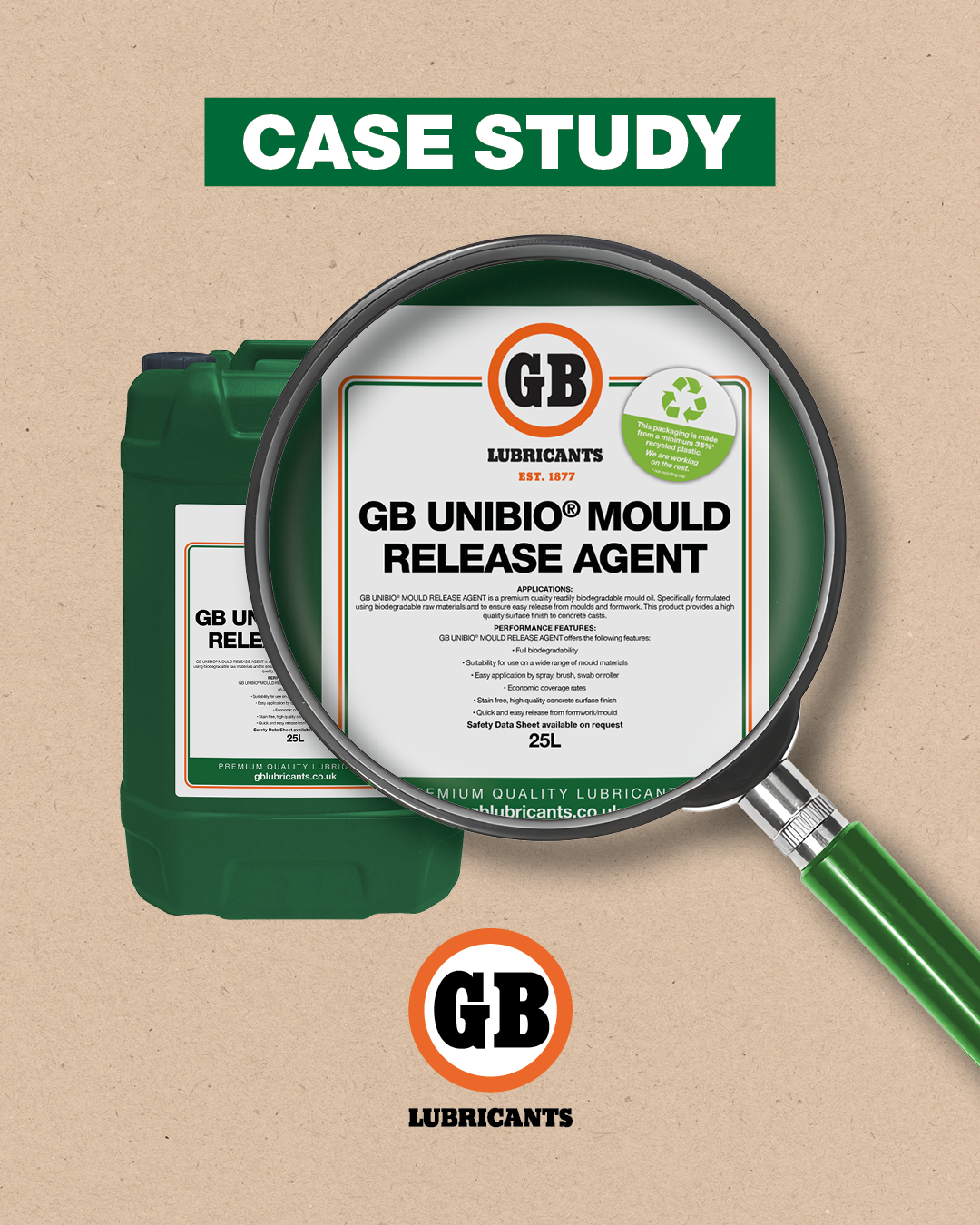
A customer manufacturing concrete coastal barriers reported issues using a competitor oil with poor release properties causing damage to the finished product.
Why is this a problem?
Poor release from moulds leads to excessive damage to the finished product in the form of pitting and improper separation which can cause faults. Due to the end application of the concrete barriers, a readily biodegradable product is required as to not negatively affect the surrounding environment
To develop a new product using only reliably biodegradable raw materials allowing for quick mould release and limiting damage caused by pitting. Inadequate coverage can often lead to pitting as there is not a sufficient chemical barrier between the mould and the concrete.
What does this new product need to acheive?
Ensuring the new product will have complete coverage across the mould, and is formulated using high quality, readily biodegradable raw materials without compromising performance when compared with conventional products.
After a trial period the customer reported that GB Unibio Mould Release Agent had improved quick release performance and left the concrete with a high quality finish.
The customer stated that the product worked well on large-scale structural concrete elements all the way down to small concrete casts with consistent performance. The product caused reduced levels of pitting compared to the competitors product as well as having no presence of staining, leading to a smoother final appearance.
Greater quick release performance leads to less pitting, physical and structural damage to the end product, a smoother final finish and appearance, and reduced working time that can be caused by slow release. Overall, GB Unibio Mould Release Agent creates higher quality products and greater profits, whilst using only readily biodegradable materials and bringing no negative effects to the surrounding environments.
Readily biodegradable mould release oil
Download the PDF version of this Case Study below:










 Call us on +44(0) 191 490 4312
 Commercial Vehicle